

Black women have not simply participated in global music and fashion industries — they have defined their foundations, aesthetics, and economic structures. From early blues recordings to billion-dollar fashion brands, their influence has shaped sound, style, representation, and global standards of excellence.
This article explores specific figures whose artistic innovation, commercial success, and cultural leadership transformed global music and fashion.
Foundations of Modern Music: Blues and Jazz Architects
Modern popular music is rooted in blues and jazz. Black women were central to both.
Bessie Smith

Bessie Smith, the “Empress of the Blues,” whose recordings helped establish commercial blues music.
In the 1920s, Bessie Smith became one of the highest-paid performers in the United States. Her powerful vocal projection and emotional realism set early standards for recording artists. Blues structures she popularized later influenced jazz, rhythm and blues, rock, and modern pop.
Her commercial dominance demonstrated that Black women could drive national music markets.
Billie Holiday

Billie Holiday performing during the late 1930s, when jazz became a vehicle for social commentary.
Holiday’s 1939 recording of “Strange Fruit” confronted racial violence directly. It became one of the earliest protest songs to reach mainstream audiences. Through interpretation and phrasing, she redefined emotional storytelling in jazz performance.
Nina Simone

Nina Simone blending classical technique with political activism in the 1960s.
Trained as a classical pianist, Simone fused jazz, blues, and protest music. Songs like “Mississippi Goddam” positioned music as political expression. She expanded the role of Black women in music from entertainers to intellectual leaders.
Redefining Pop, R&B, and the Global Sound
By the late 20th century, Black women were not only shaping genres — they were dominating global charts.
Aretha Franklin

Aretha Franklin performing “Respect,” transforming it into a global anthem.
Franklin’s reinterpretation of “Respect” turned a soul song into a worldwide symbol of empowerment. She became the first woman inducted into the Rock & Roll Hall of Fame, solidifying her legacy as the “Queen of Soul.”
Whitney Houston

Whitney Houston’s Super Bowl XXV performance, considered one of the greatest live vocal moments.
Houston established the global vocal benchmark. “I Will Always Love You” became one of the best-selling singles of all time, proving Black female vocalists could dominate worldwide pop markets.
Beyoncé

Beyoncé during the Renaissance World Tour, blending music, fashion, and visual art.
Beyoncé transformed the modern pop star into a multidisciplinary cultural architect. From visual albums to global tours, she redefined release strategy, artistic control, and representation.
Rihanna

Rihanna at a Fenty runway show, redefining inclusivity in fashion and beauty.
Rihanna extended musical success into fashion entrepreneurship. Fenty Beauty launched with 40 foundation shades, changing industry inclusivity standards globally.
Black Women in Hip-Hop and Visual Innovation
Hip-hop aesthetics and production styles were also shaped by Black women.
Missy Elliott

Missy Elliott’s visually experimental music videos reshaped hip-hop imagery.
Missy Elliott pushed boundaries in production and visual design. Her futuristic aesthetics influenced global pop video production.
Nicki Minaj

Nicki Minaj during a major awards performance at the height of her mainstream dominance.
Nicki Minaj became one of the highest-selling female rappers globally, shifting expectations for women in hip-hop.
Transforming Global Fashion: From Street to Luxury
Black women influenced fashion aesthetics long before mainstream recognition.
Dapper Dan

Dapper Dan in Harlem, pioneering luxury streetwear aesthetics.
Dapper Dan reworked luxury logos for hip-hop culture decades before high fashion embraced streetwear.
Naomi Campbell

Campbell became one of the first Black supermodels to dominate international fashion weeks, expanding representation.
Beauty Standards and Representation
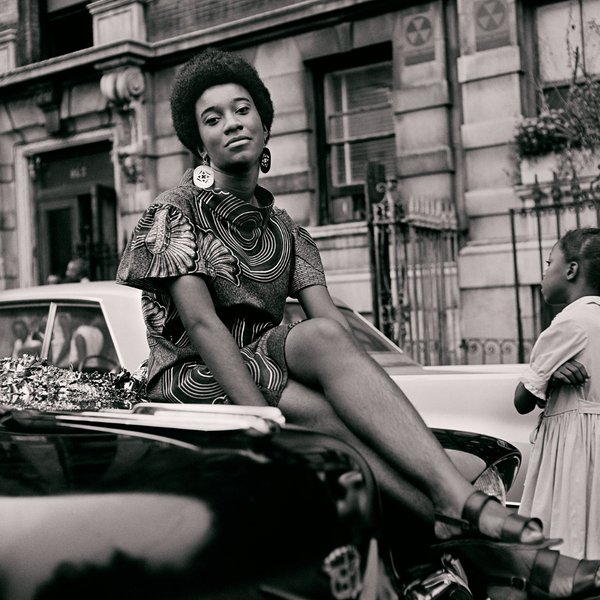
The expansion of beauty standards to embrace natural hair and diverse skin tones.
Black women led the natural hair movement and demanded broader representation in cosmetics and advertising. The global beauty industry responded by expanding shade ranges and redefining “mainstream” beauty.
Enduring Global Impact
The musical phrasing of R&B influences K-pop vocalists. Hip-hop fashion informs European streetwear. Afrocentric aesthetics appear in luxury campaigns. Cultural diffusion flows from Black female innovation into global industries.
Their impact is measurable in:
- Billboard records
- Grammy awards
- Billion-dollar fashion valuations
- Structural industry reform
Conclusion
Black women have shaped global music and fashion industries as pioneers, innovators, and economic leaders. From blues to billion-dollar beauty brands, their excellence has redefined global standards of artistry, representation, and commercial power.
They are not peripheral figures in cultural history. They are central architects of it.
Read more: Notable Black Women Authors in Contemporary Literature