

05 February 2026
Contemporary literature has been profoundly shaped by the work of Black women authors, whose writing spans fiction, poetry, essays, and genre-defying narratives. These writers are not simply influential voices but creators of award-winning works that have redefined literary standards in the arts and humanities. This article highlights specific Black women authors, their major works, and the measurable impact of their contributions to contemporary literature.
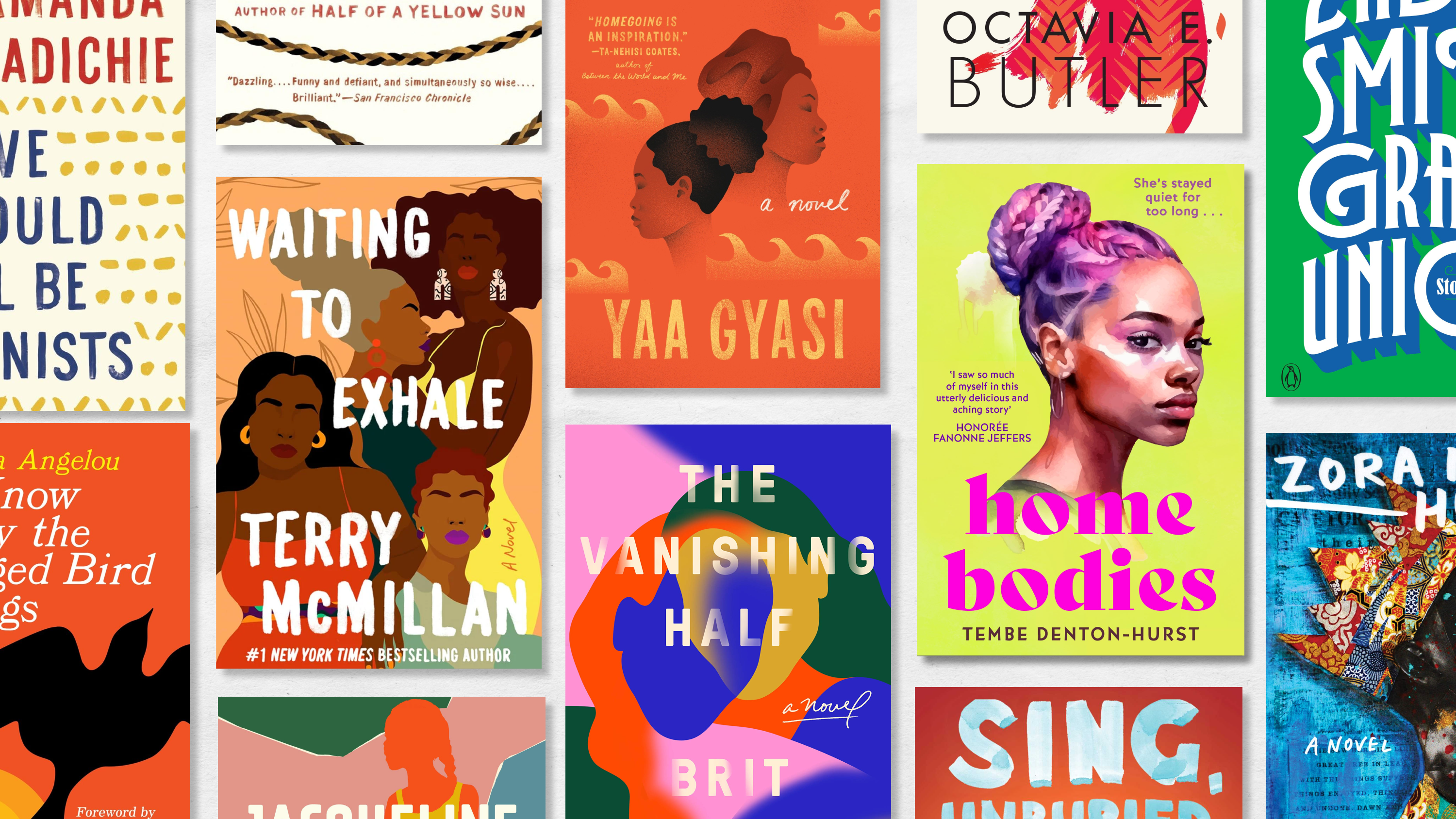
Black women authors are central figures in contemporary literature, producing influential works across fiction, poetry, and nonfiction.
Black Women Redefining Contemporary Fiction
Among the most influential figures in modern fiction is Toni Morrison, whose novels transformed the literary landscape. Works such as Beloved and Song of Solomon reshaped narrative structure while confronting memory, trauma, and collective history. Morrison’s achievements include the Nobel Prize in Literature and lasting inclusion in academic literary canons worldwide.

Toni Morrison’s novels redefined contemporary fiction through innovative narrative form and historical depth.
Another defining voice is Chimamanda Ngozi Adichie, whose novels Half of a Yellow Sun and Americanah examine migration, race, and identity in a globalized world. Her work has received major literary awards and is widely taught in universities across continents.
Similarly, Jesmyn Ward has earned multiple National Book Awards for novels such as Salvage the Bones and Sing, Unburied, Sing. Her writing offers a deeply grounded portrayal of life, family, and survival in the contemporary American South.
Historical Memory and Social Narrative in Literature
Many Black women authors use literature as a tool for historical recovery and social analysis. Yaa Gyasi gained international recognition with Homegoing, a novel tracing generations affected by the transatlantic slave trade. Its structural ambition and historical scope have made it a defining work of contemporary historical fiction.
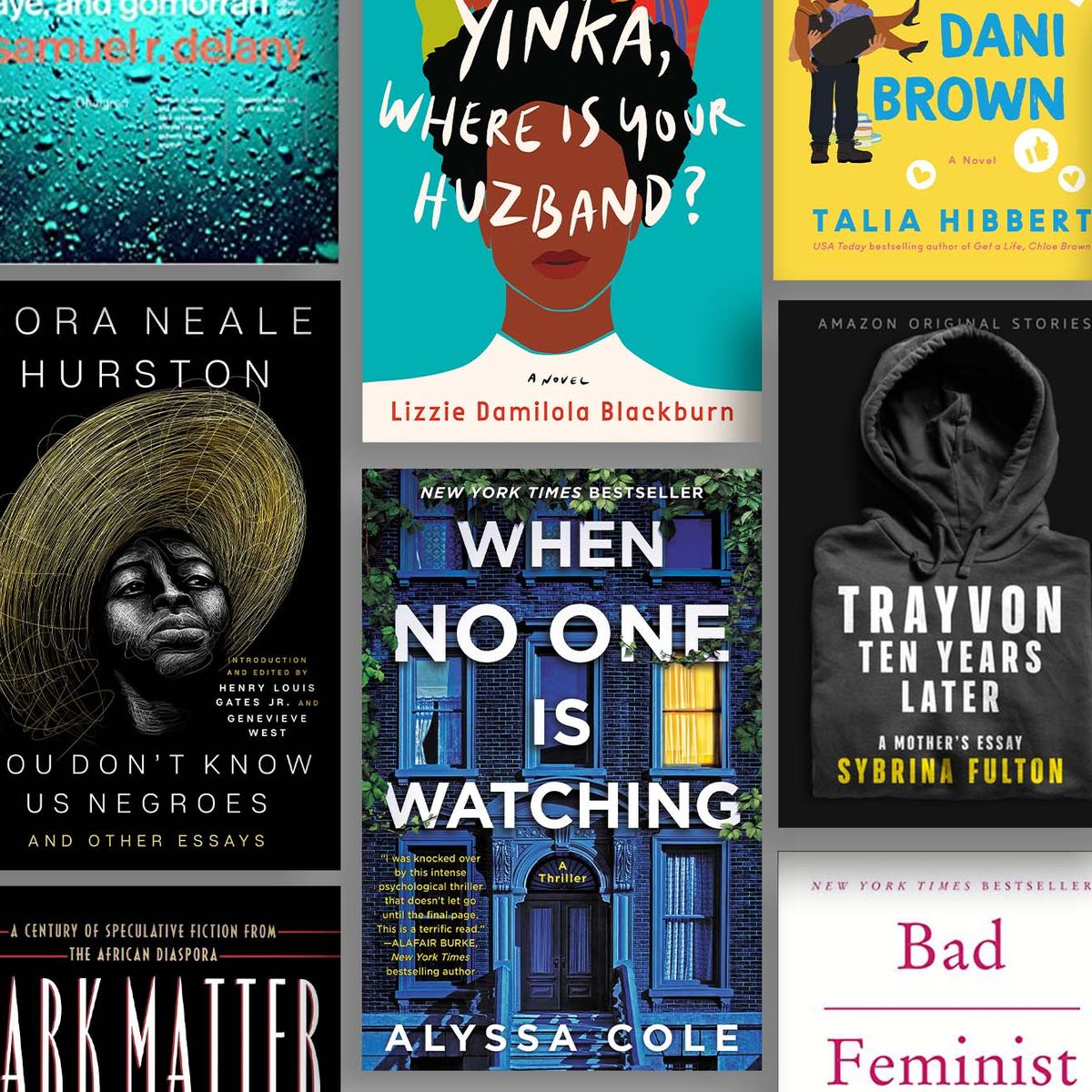
Historical fiction by Black women authors reconnects contemporary readers with overlooked global histories.
Brit Bennett explores similar themes through intimate storytelling. Her novel The Vanishing Half examines race, identity, and generational inheritance, achieving bestseller status while generating sustained literary discussion.
Black Women Poets Shaping Contemporary Literary Expression
Poetry remains one of the most dynamic areas of contemporary literature, and Black women poets have led much of this innovation. Claudia Rankine is known for Citizen: An American Lyric, a genre-blending work combining poetry, essay, and visual elements to confront racial experience in modern society.
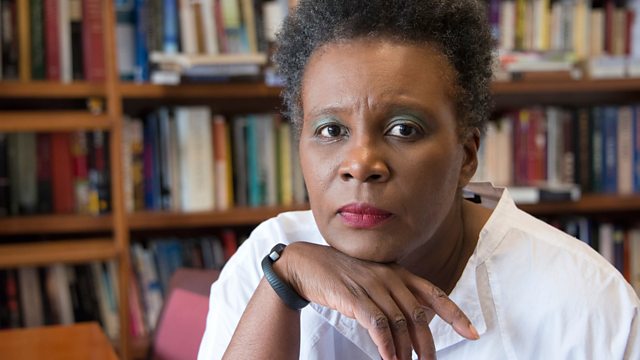
Contemporary poetry by Black women expands literary form through experimentation and social critique.
Another major figure is Natasha Trethewey, former U.S. Poet Laureate, whose work examines memory, place, and historical legacy. Her poetry is widely studied for its technical precision and cultural insight.
Essays, Memoir, and Nonfiction Excellence
In nonfiction, Black women authors have shaped public and academic discourse through essays and memoirs grounded in lived experience and cultural critique. Roxane Gay is widely recognized for Bad Feminist and Hunger, works that merge personal narrative with rigorous social analysis.
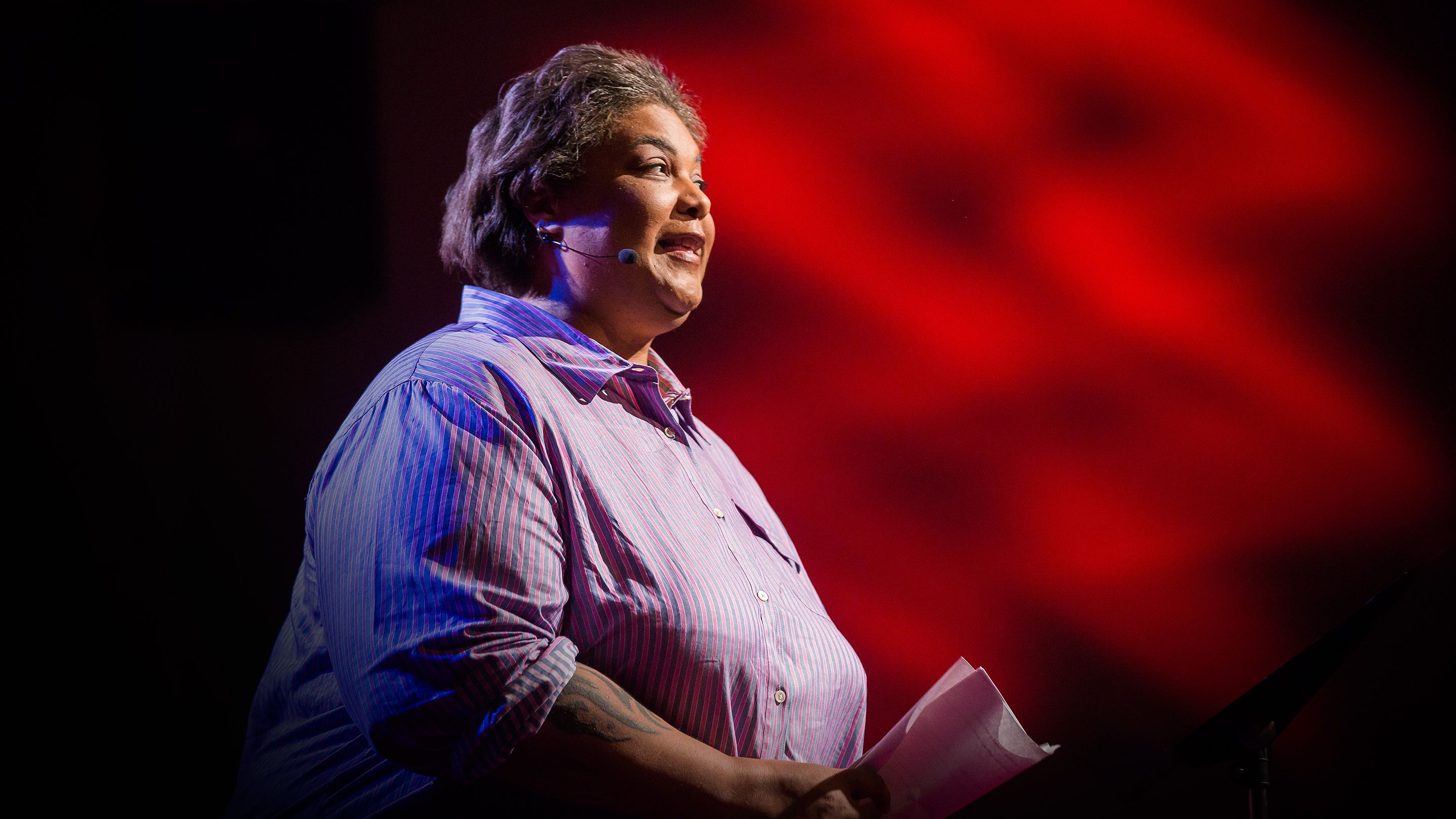
Essays and memoirs by Black women authors bridge personal experience with broader cultural analysis.
These works play a critical role in contemporary humanities by making complex ideas accessible while maintaining intellectual depth.
Genre Innovation and Speculative Literature
Black women have also been pioneers in speculative and genre literature. Octavia Butler transformed science fiction through novels such as Kindred and the Parable series, blending speculative storytelling with philosophical and social inquiry.
Speculative fiction by Black women authors expands the boundaries of contemporary literature.
In recent years, N. K. Jemisin achieved unprecedented success with The Broken Earth trilogy, winning three consecutive Hugo Awards and redefining expectations for literary fantasy.
Global Recognition and Cultural Impact
The work of Black women authors has achieved widespread international recognition. Their books are translated into numerous languages, adapted for film and television, and incorporated into academic curricula worldwide. This global reach confirms their central role in shaping contemporary literature and the humanities.
Conclusion
The achievements of Black women authors are foundational to contemporary literature. Through fiction, poetry, essays, and genre innovation, they have reshaped artistic expression and expanded how stories are told. Understanding their work is essential to understanding modern arts and humanities.
Other Articles You May Find Interesting: